Weltweit Batterieanbieter



Humanoide Roboterbatterien: Technische Anforderungen & Empfohlene Hersteller
12/22/2025
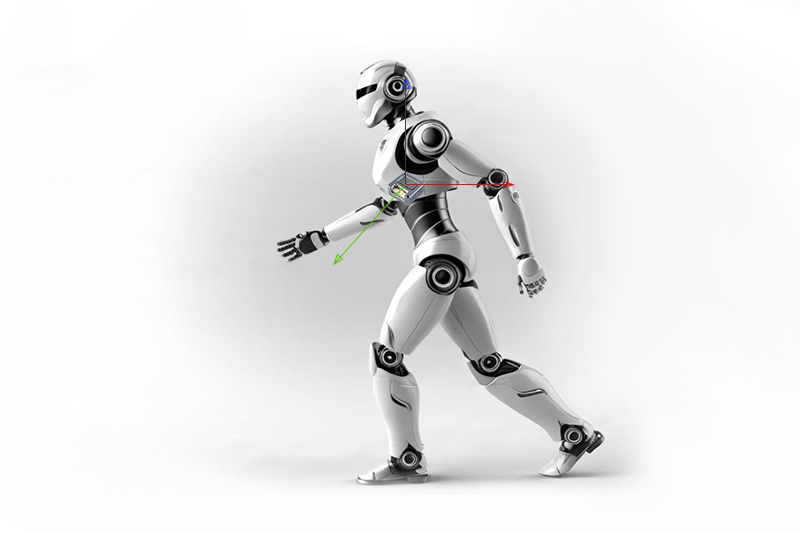
Humanoide Roboter stellen eine ausgefeilte Integration von KI dar, Präzisionsmechanik, und hochdynamische Bewegung. Ihr Kernstück ist das Antriebssystem – eine Komponente, die eine außergewöhnliche dynamische Reaktionsfähigkeit erfordert, hohe Energiedichte, und kompromisslose Sicherheit.
Kernbatterieanforderungen für humanoide Roboter
Um diesen Ansprüchen gerecht zu werden, Roboterbatterien müssen sechs kritische Spezifikationen erfüllen:
-
Hohe Energiedichte: 250-350 Wh/kg, um einen langen Betrieb bei minimalem Gewicht zu gewährleisten. Teslas Optimus, beispielsweise, verwendet a 2.3 Zylindrisches Zellpaket für bis zu kWh 8 Stunden Laufzeit.
-
Fähigkeit zur Hochentladung: 20C-50C-Sofortentladung für dynamische Bewegungen wie Springen oder Heben.
-
Schnelles Aufladen: 5C-7C-Aufladung zur Minimierung von Ausfallzeiten; zum Beispiel, Eine 7C-Batterie kann sich erholen 80% einladen 20 Protokoll.
-
Sicherheit geht vor: Muss extreme Tests wie eine Reifenpanne bestehen, hohe Temperatur, und Stauchtests. Festkörperbatterien erweisen sich aufgrund ihrer inhärenten Sicherheit vor dem Austreten von flüssigem Elektrolyt als wichtiger Trend.
-
Langkreislebensdauer: Über 1,000 Zyklen mit ≥80 % Kapazitätserhalt.
-
Großer Betriebsbereich: -20℃ bis 60 ℃, wobei einige Modelle Leistung bei noch extremerer Kälte erfordern.
Aktuelle Technologie-Roadmap: Eine vergleichende Sicht
Lithium-Ionen bleiben die dominierende Chemie, in zwei Hauptformen eingesetzt:
-
Zylindrische Zellen (18650, 21700)
-
Vorteile: Ausgereifte Technologie (Wird im Tesla Optimus verwendet), kostengünstig, gute thermische Leistung.
-
Nachteile: Geringere Energiedichte auf Packungsebene (~250 Wh/kg) und sperriger Formfaktor.
-
-
Beutelzellen (Laminiert, Benutzerdefinierte Formen)
-
Vorteile: Hohe Raumausnutzung, anpassbare Formen (halbfeste Varianten erreichen 350 WH/kg), Ideal für komplexe Roboterdesigns.
-
Führende Technologie: Inklusive Halbfeststoff (z.B., Sunwodas 500 Wh/kg-Prototyp) und Festkörperbatterien.
-
Materialauswahl:
-
NCM/NCA (Ternär): Bietet eine hohe Energiedichte (300+ WH/kg), für den Außenbereich geeignet, anspruchsvolle Aufgaben wie Such- und Rettungseinsätze.
-
LFP (Lithium-Eisen-Phosphat): Priorisiert Sicherheit und Langlebigkeit, Ideal für Indoor-Serviceroboter im Gesundheitswesen oder in der Logistik.
Führende Batterielieferanten & Ihr Fokus
Mehrere Schlüsselakteure treiben Innovationen in dieser Nische voran:
-
BYD: Nutzt seine umfassende Elektrifizierungserfahrung, um qualitativ hochwertige Produkte bereitzustellen, Integrierte Energielösungen.
-
Katl: Der weltweit führende Anbieter von Elektrofahrzeugbatterien erweitert sein Know-how auf kundenspezifische Roboterbatteriesysteme.
-
Sunwoda: Ein Pionier im Bereich halbfester Zellen, mit einem 500 Wh/kg-Prototyp bereits in der Verbraucherrobotik eingesetzt.
-
EVE-Energie: Aktive Lieferung von Mustern an führende humanoide Entwickler, Der Schwerpunkt liegt auf ternären Zellen mit hoher Dichte und Fast-Swap-Technologie.
-
Guansheng: Erkundung von Partnerschaften im Bereich Festkörperbatterien, um die Gewichts- und Reichweitenherausforderung zu bewältigen.
-
AVIC Lithium (KAHL): Nutzt seine Erfahrung in der Luftfahrt, um hochsichere LFP-Batterien für Industrie und Roboter zu entwickeln.
Spezielle Designüberlegungen
Jenseits der Zelle, Eine erfolgreiche Integration erfordert:
-
Strukturoptimierung: Gehäuse aus Kohlefaser (30% Gewichtsreduktion) mit Schutzart IP67 und Hot-Swap-Modularität in weniger als 30 Sekunden.
-
Erweitertes Wärmemanagement: Hybridsysteme mit Flüssigkeitskühlung und Phasenwechselmaterialien, um Temperaturen im Dauerbetrieb unter 45 °C zu halten.
-
Strenge Validierung: Muss 1.000 Stunden dauernde Vibrations- und 1,8-Meter-Falltests bestehen, um die Zuverlässigkeit im Feld sicherzustellen.
Die Zukunft ist Solid-State
Der nächste Sprung wird durch Festkörperbatterien vorangetrieben, Es wird erwartet, dass halbfeste Versionen für Premium-Roboter in Massenproduktion gehen 2025. Unterstützt von bedeutendem R&D-Investition in China, Energiedichteziele werden immer weiter verdrängt 400 WH/kg. Zukünftige Systeme werden über ein intelligenteres BMS mit integrierter KI zur dynamischen Leistungsoptimierung auf der Grundlage von Echtzeitaufgaben verfügen.
Partner für die nächste Generation der Robotik
Der Wettlauf um die optimale Roboterbatterie – Ausgleichsenergie, Sicherheit, und Kosten – beschleunigt sich. Unsere selbst entwickelte halbfeste Batterie ist bereits in Produktion. Hierzu werden eine Nano-Silizium-Kohlenstoff-Anode und ein Festelektrolyt verwendet 350 Wh/kg Energiedichte mit inhärenter Sicherheit (Bestehen von Nagelpenetrationstests) und unterstützt eine anhaltende Entladung bei 10 °C – perfekt abgestimmt auf die hohen Stromanforderungen von Robotergelenken.
Sie möchten herausfinden, wie unsere Batterietechnologie Ihr Robotikprojekt der nächsten Generation vorantreiben kann?? Kontaktieren Sie uns über unsere Website für detaillierte Spezifikationen und Anwendungsfallstudien.
Vielleicht gefällt Ihnen auch
Kopie©2023 | PAC AKKU | Sitemap
 Catherine
 Verkaufsleiter